
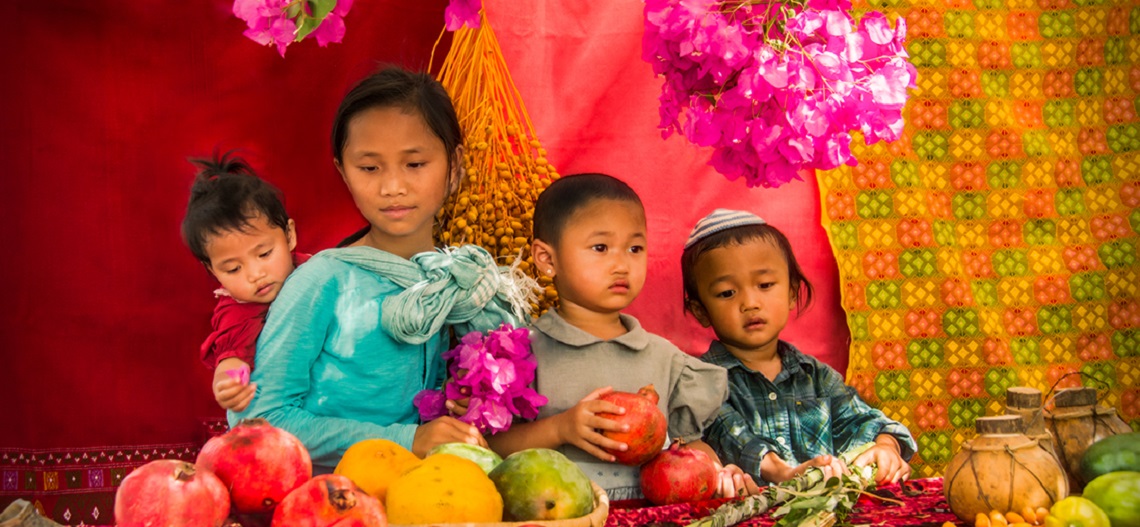
Bnei Menashe – Photographs by Dorit Lombroso
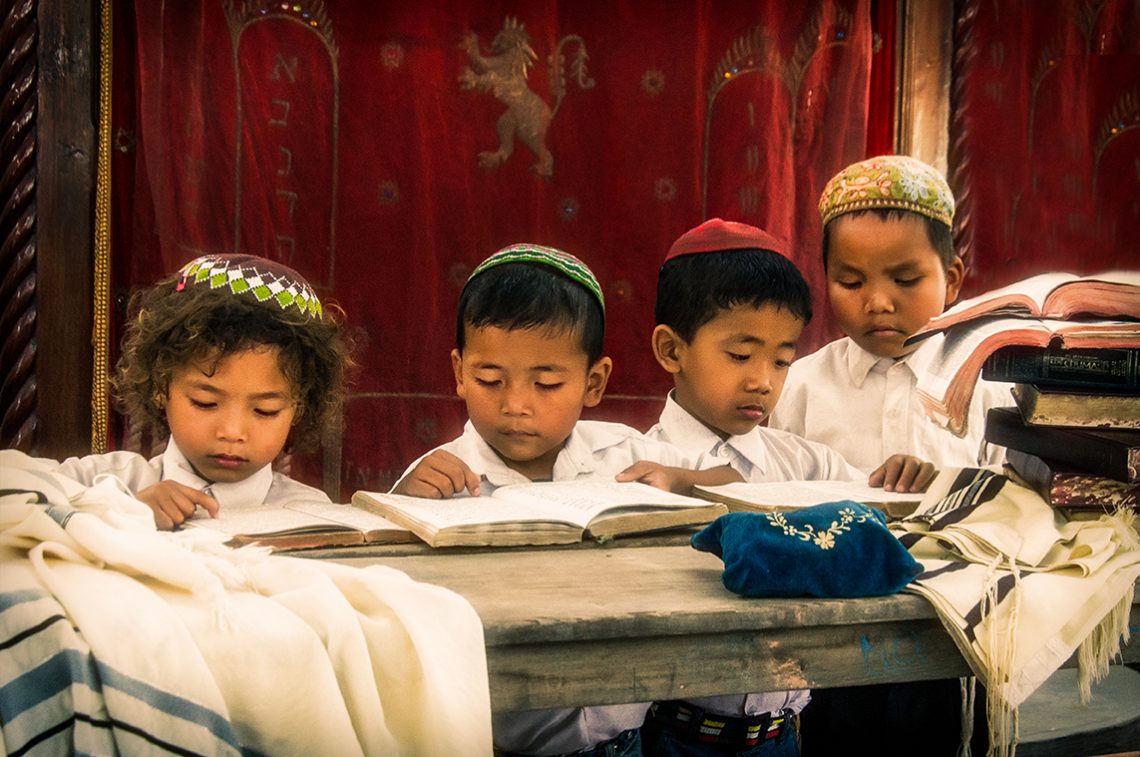
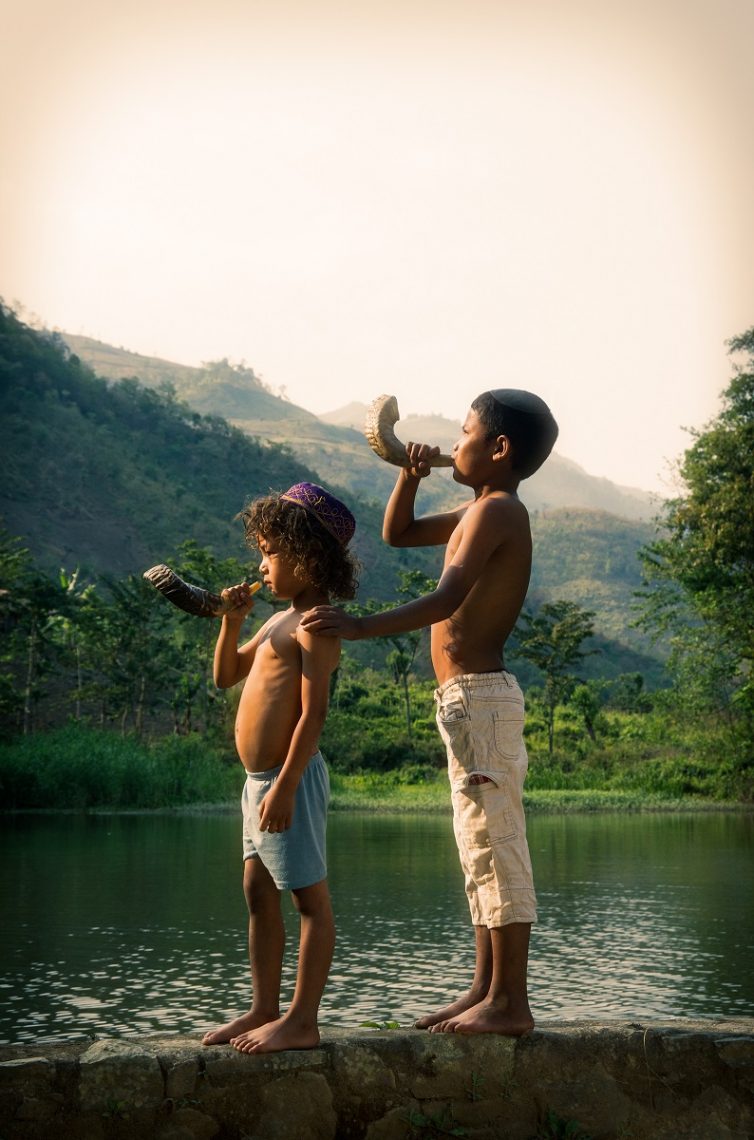
In Northeast India – not far from Bangladesh, Burma and China – live communities that possess a fascinating and mysterious history. The Bnei Menashe, scattered among Mizoram and Manipur, consider themselves descendants of the Biblical Menashe, son of Joseph, whom they call Manmasi or Manmasia.
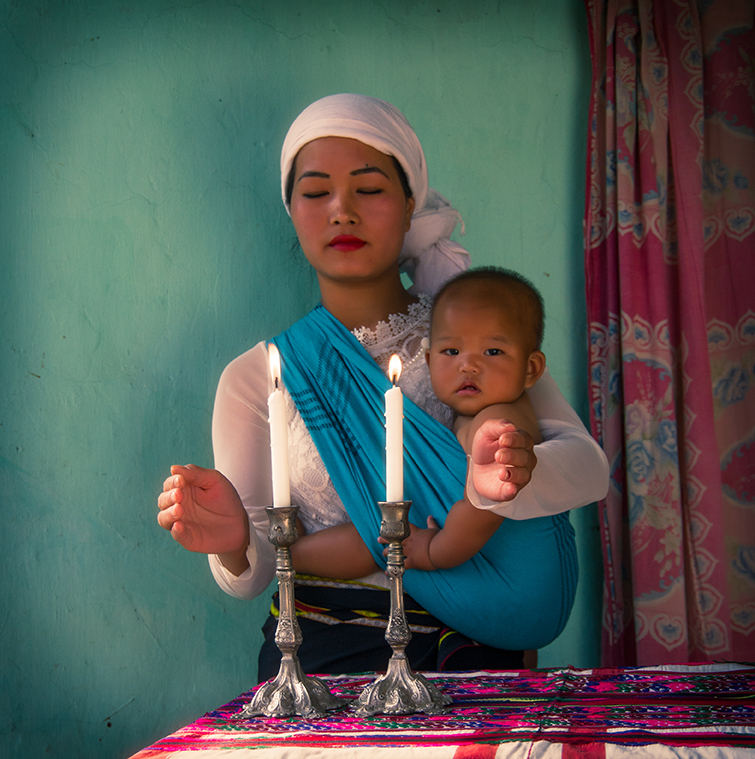
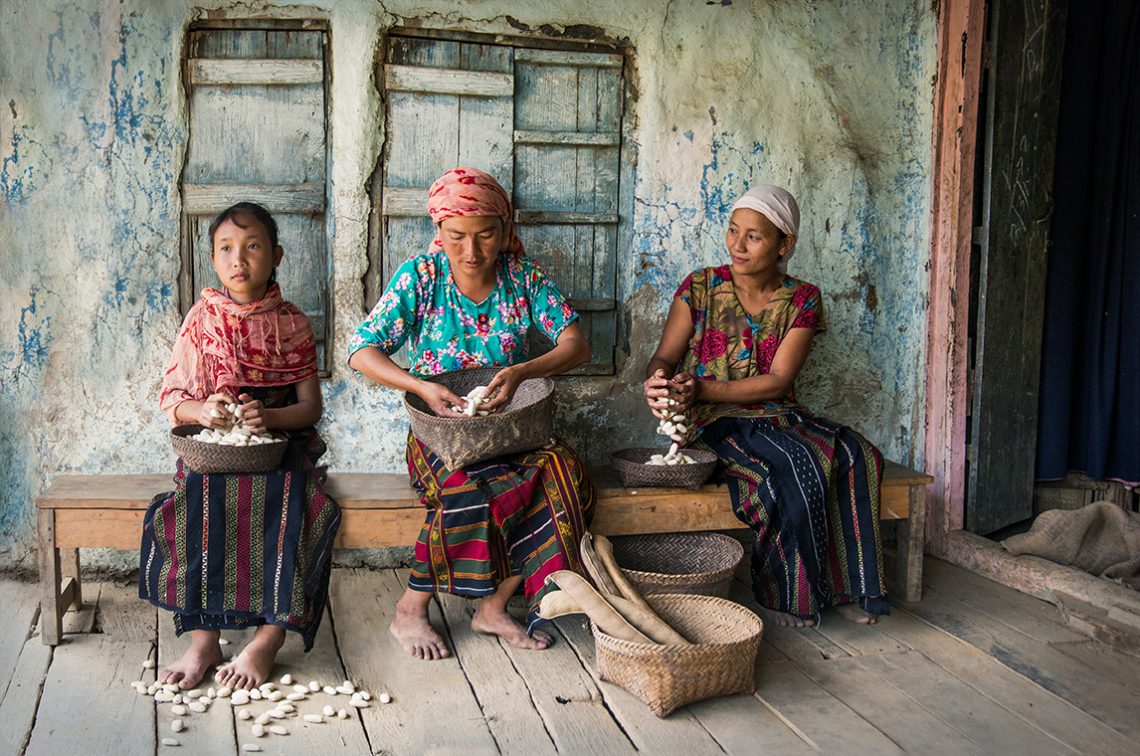
The Bnei Menashe arrived in the area in the 17th and 18th centuries and since that time have been living in separate and isolated communities. This allowed them to preserve their heritage: an oral tradition that passed through the generations in songs and folklore, cultural and artistic traditions, beliefs and religious systems, customs and rituals.
British colonialism brought Christian missionaries to their doorstep and with them they learned of the stories of the Bible. The similarities between their belief system and the biblical stories led them to conclude that they were forgotten descendants of the Jewish people.

Within the predominant Indian religious systems, the Bnei Menashe stand out for their belief in a single, transcendental being called Pathiyan or Pathan. Their tradition includes mythologies that describe Manmasi’s father, a figure similar to the Biblical Joseph. He solved dreams and fed the villagers during a famine – whereas his offspring were made into slaves, whose exodus involved a parting of the sea, and water springing from a rock.

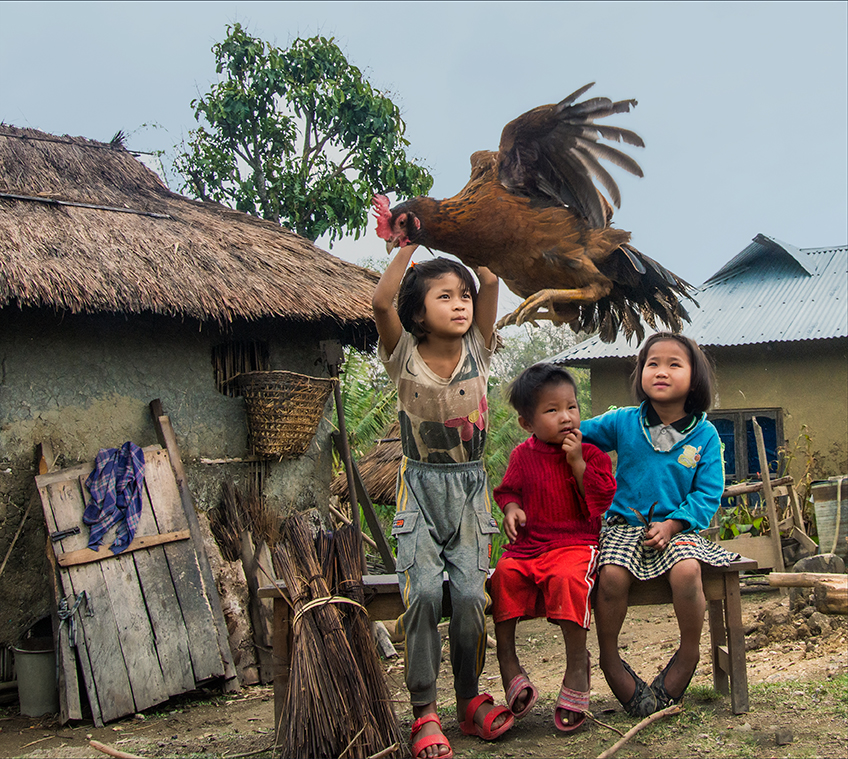
Several of the Bnei Menashe customs recall Jewish rites, including a holiday in which unlevered bread is prepared. In another an animal is sacrificed and eaten by the family and, as in the Biblical story of Pesach, a bit of its blood is smeared on the doorpost.
Opened: April 5, 2022
Chief Curator: Dr. Orit Shaham Gover
Producer Curator: Michal Houminer
Curator: Dvir Tzur
Exhibition Design: Studio KfIr Malka, Peleg Golombek
Photo Developing and Framing: Studio HC Editions
Construction: Tucan Design Studio
Lighting: Yair Mizrahi